What Is Peptide Therapy for Recovery?
Peptides are short chains of amino acids that act as signaling molecules in the body. Different peptides interact with different biological pathways, which is why peptide-based therapies are discussed for a wide range of wellness goals.
For patients interested in recovery support, Dr. Le may discuss peptide options that are being studied for their potential roles in tissue-repair pathways, inflammatory signaling, cellular energy, and other processes involved in recovery. The available evidence and safety information vary considerably from one peptide to another, so treatment recommendations should always be individualized and medically supervised.
How Can a Personalized Recovery Plan Support You?
Recovery can be influenced by much more than a single treatment. Dr. Le considers your activity level, nutrition, sleep, medical history, medications and supplements, hormone and metabolic health, and the specific concerns you would like to address.
- Support for recovery after exercise and physical activity
- Support for mobility, comfort, and return to normal activity
- Healthy inflammatory-response and tissue-repair pathways
- Energy and metabolic support that may complement an active lifestyle
- A coordinated plan that can include nutrition, sleep, wellness, and other medically appropriate therapies
Featured Peptides for Recovery
The following peptides may be discussed as part of a recovery-focused consultation. Research, human experience, approved uses, and safety data differ among these compounds. Dr. Le will review what is known, what remains uncertain, and whether a particular option is appropriate for you.
TB-500
Investigational peptide associated with tissue-repair research
TB-500 is a synthetic peptide related to a fragment of thymosin beta-4, a naturally occurring protein involved in cellular processes associated with tissue repair. It has attracted interest in recovery-focused settings because of preclinical research involving cell migration, tissue remodeling, and wound-repair pathways.
Human clinical evidence for TB-500 remains limited, and it is not an FDA-approved treatment for injury recovery or wound healing. If TB-500 is being considered, Dr. Le can explain the potential risks, limitations of the available evidence, and any alternatives that may be more appropriate for your goals.
BPC-157
Investigational peptide studied primarily in preclinical recovery research
BPC-157 is a synthetic peptide that has been studied largely in laboratory and animal models for possible effects involving tissue repair, gastrointestinal protection, blood-vessel signaling, and inflammatory pathways. These findings have contributed to interest in BPC-157 among patients seeking support for recovery and musculoskeletal wellness.
However, high-quality human clinical evidence remains limited, and BPC-157 is not FDA-approved for treating injuries or accelerating recovery. Dr. Le will review your medical history and discuss the uncertainties, potential risks, and other treatment options before recommending any therapy.
MOTS-c
Mitochondrial-derived peptide studied for metabolic and cellular-energy pathways
MOTS-c is a naturally occurring mitochondrial-derived peptide that has been studied for its role in cellular metabolism and energy regulation. Because energy production and metabolic health can influence exercise tolerance and recovery, MOTS-c has become an area of research interest in performance, metabolic, and healthy-aging settings.
Research is still developing, and human safety and effectiveness data are limited. Dr. Le may discuss MOTS-c only after considering your broader health profile, recovery goals, and whether another evidence-based approach would be more appropriate.
KPV
Short peptide being studied for inflammatory and tissue-repair pathways
KPV is a three-amino-acid peptide derived from alpha-melanocyte-stimulating hormone. Laboratory and preclinical research has explored its potential influence on inflammatory signaling and tissue-related pathways, which has led to interest in KPV for recovery and wellness applications.
Clinical evidence in humans remains very limited. Dr. Le can discuss the current level of evidence, potential safety considerations, and whether KPV should be considered at all within your individualized recovery plan.
Who May Be a Candidate for Recovery-Focused Peptide Therapy?
A consultation may be appropriate if you are looking for physician-guided support for recovery from exercise, changes in mobility or resilience, or a broader wellness plan that addresses factors such as sleep, nutrition, energy, and metabolic health.
Peptide therapy is not a substitute for appropriate evaluation of an acute injury, persistent pain, infection, fracture, or other medical condition. If your symptoms suggest that another type of medical assessment or treatment is needed, Dr. Le can help determine the appropriate next step or recommend additional evaluation.
What Can I Expect During My Consultation?
Your visit begins with a discussion of what you are recovering from, how long the concern has been present, your activity level, and what you would like to improve. Dr. Le will review your medical history, medications and supplements, previous treatments, lifestyle factors, and any relevant health information before discussing options.
If a peptide or another therapy is considered appropriate, Dr. Le will explain how it is used, the limits of the available evidence, potential risks and side effects, and how your response will be monitored. Your plan may also include recommendations related to nutrition, sleep, movement, or other wellness therapies depending on your needs.
Are There Side Effects or Reasons Treatment May Not Be Appropriate?
Potential side effects, interactions, and contraindications vary by peptide, formulation, route of administration, and individual health history. Some recovery-focused peptides are investigational and have limited human safety data, so they should not be presented as proven or risk-free options.
Dr. Le will review the potential benefits, risks, alternatives, and level of evidence associated with any therapy being considered. Be sure to share your complete medical history, current medications and supplements, allergies, pregnancy or breastfeeding status, and any ongoing medical concerns during your consultation.
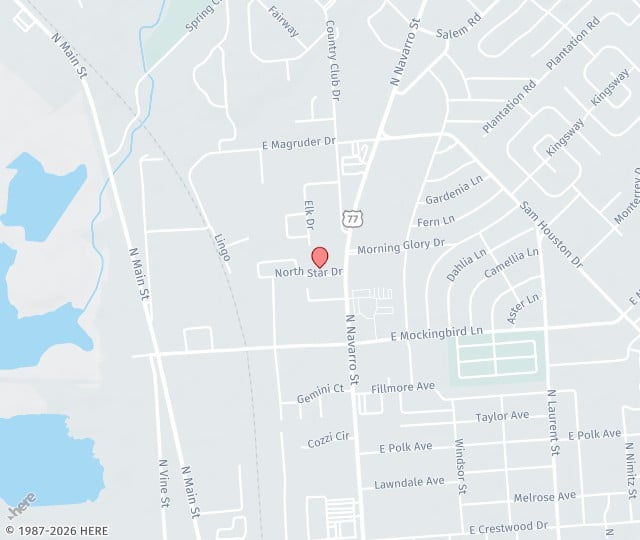
Why Choose Fountain of Youth Medical Spa for Recovery Support in Victoria, TX?
Recovery is highly individual. At Fountain of Youth Medical Spa, Dr. Nhi Le looks beyond a single peptide or protocol and considers the broader factors that may affect how your body responds to activity and how you feel during recovery.
With physician oversight and an individualized treatment approach, your plan can be adjusted according to your goals, response, health history, and the level of evidence supporting the therapies being considered.
Explore Peptides for Recovery & Wellness
Support your wellness and recovery goals beyond the office. Visit our online store to explore available peptide options that may complement your approach to recovery, mobility, energy, and overall well-being.
Explore a Personalized Approach to Recovery
If recovery is taking longer than you would like or you are interested in a more comprehensive approach to supporting your active lifestyle, schedule a consultation with Dr. Le at Fountain of Youth Medical Spa in Victoria, TX. Together, you can review your goals and determine which recovery and wellness options may be appropriate for you.